Loading...
Serving Santa Fe, NM and surrounding areas. (505) 666-0491
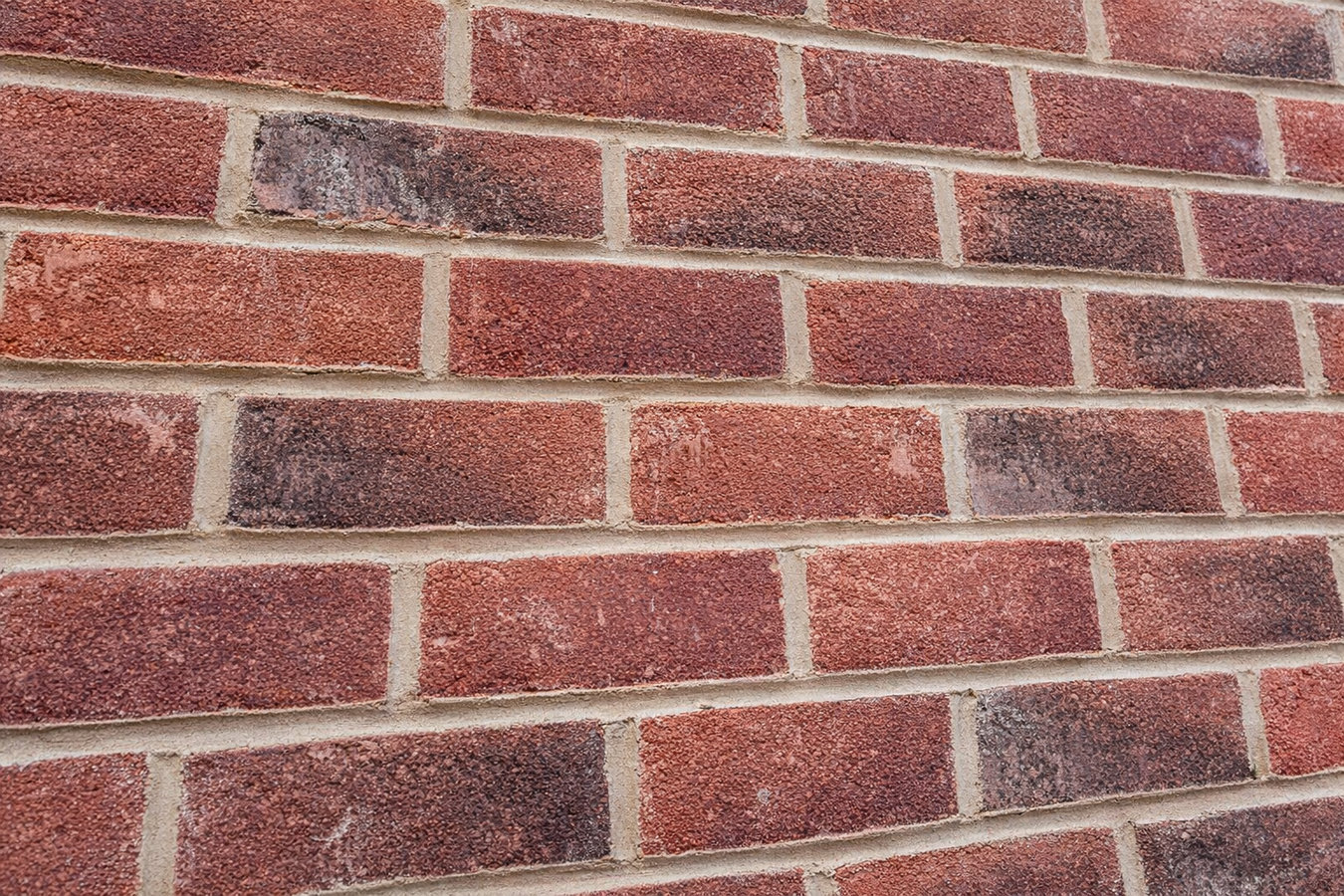
Crumbling mortar is not just cosmetic. In Santa Fe, failing joints let water in, water freezes, and every winter makes the damage worse. We remove deteriorated mortar and replace it with the right mix for your wall - whether that is a standard chimney or an older adobe-style home.
Brick pointing in Santa Fe is the process of removing deteriorated mortar from between bricks and replacing it with fresh mortar suited to the local climate. A chimney or small wall section typically takes one to two days. The work is done outside, joint by joint, and requires no interior access.
Mortar is designed to be softer than the brick it bonds together - it absorbs stress so the bricks themselves do not crack. In Santa Fe, the combination of high-altitude freeze-thaw cycles and dry air accelerates mortar breakdown faster than homeowners often expect. Catching it before water gets behind the wall is almost always the cheaper path. If the damage has already progressed to brick spalling or structural movement, our masonry restoration service handles the broader scope. For walls where deeper structural concerns are found during inspection, we also offer foundation repair to address what is underneath before the surface is restored.
Walk up to any brick wall, chimney, or garden wall and press your fingernail or a key into the mortar between the bricks. If it flakes, crumbles, or comes away easily, the mortar has lost its strength and is no longer doing its job. In Santa Fe's freeze-thaw climate, deteriorated mortar tends to get worse quickly once it starts.
Stand back and look at your chimney or brick wall from a normal viewing distance. If you can see dark gaps, holes, or sections where the mortar has fallen out, water is already getting into those spaces. Every winter those gaps allow moisture to freeze inside the wall, making the problem larger and more expensive with each passing season.
A chalky white residue on the surface of your bricks - called efflorescence - is a sign that water is moving through the wall and carrying mineral salts to the surface. In Santa Fe, where walls face both monsoon moisture in summer and freeze-thaw stress in winter, this staining often points to failing mortar joints. It is not just cosmetic - it signals that the wall's waterproofing is compromised.
After Santa Fe's coldest months, take a close look at your chimney and any exterior brick walls. Cracks that follow the mortar joints - rather than cutting through the bricks themselves - are a classic sign of freeze-thaw damage. These cracks start small but widen each year if left alone, and they are much cheaper to address while they are still narrow.
We repoint chimneys, exterior walls, garden walls, and decorative brick features. Every job starts with an assessment of the existing mortar and the type of brick - because the mortar mix that works on a standard modern chimney is different from what is needed on an older adobe-adjacent home where the original joints used a softer lime-based material. Using the wrong mix is one of the most common causes of early failure in repointing work, and it is a mistake we do not make. For homeowners whose properties also need broader stone or masonry work alongside the pointing, our masonry restoration service addresses the full scope in a single project.
Color matching is part of every job. New mortar shifts in color as it cures, so we test a dried sample before committing to the full mix - particularly important on Santa Fe homes where the wall has a distinctive look that homeowners want to preserve. For properties in historic districts, we verify design review requirements before any work starts. The National Park Service Preservation Briefs provide the most rigorous guidance on repointing historic masonry, and we align our approach to those standards when working on older structures. After the job is done, we mist new joints for two to three days - a step that matters more in Santa Fe's dry air than in most other cities.
Suits homeowners whose chimney shows crumbling joints, staining, or visible gaps - a chimney that takes full weather exposure year-round needs attention before the next freeze cycle.
Suits brick walls - courtyard enclosures, garden walls, or structural exterior walls - where mortar has aged past its useful life and water infiltration has begun.
Suits older Santa Fe homes where the original lime-based mortar needs to be matched carefully to avoid damaging softer brick or adobe block materials over time.
Santa Fe's 7,000-foot elevation means repeated overnight freezes even in spring and fall - the kind of freeze-thaw cycle that is the single biggest enemy of mortar. Water seeps into tiny cracks, freezes, expands, and widens those cracks a little more each cycle. Many of the city's older neighborhoods - particularly those built between the 1940s and 1970s - have brick chimneys and garden walls that are now well past the typical 30-year maintenance window. If you have noticed mortar issues and have not acted yet, getting on a contractor's schedule in late summer gives you the best chance of having the work completed before the first hard freeze. We serve the broader region as well, including Espanola and Pojoaque, where similar soil and climate conditions create the same maintenance demands.
The adobe and territorial-style homes that define Santa Fe add another consideration: many older properties used lime-based mortars that are specifically designed to flex with the wall. A mason who treats every job the same - mixing a standard hard mortar regardless of what is already there - can cause bricks to crack over time. The Brick Industry Association and the City of Santa Fe Historic Design Review Board both provide guidance on this - and any mason who has not read it should not be working on your older Santa Fe home.
We reply within one business day. We ask where the work is, how much of the wall looks affected, and whether your home is in a historic district. This shapes the assessment visit and helps us plan the right mortar approach before we arrive.
We walk the wall or chimney with you, check the condition of the mortar and the type of brick, and assess whether your home needs a soft lime-based mix or a standard Portland cement mortar. You receive a written estimate that explains what is being done and why.
The crew removes old mortar to the right depth - typically three-quarters of an inch - using small grinders or hand tools. All work is outdoors. Fresh mortar is packed in joint by joint and shaped to match the original profile. Most standard jobs finish in one to two days.
In Santa Fe's dry air, fresh mortar needs to stay moist for the first few days to cure properly. We mist the new joints once or twice daily for two to three days. Before we leave, we walk the job with you - the finished joints should look consistent in color and depth, with no smearing on the brick faces.
We reply within one business day. Written estimate, no obligation, no sales pressure.
(505) 666-0491Using the wrong mortar on an older Santa Fe home can crack the bricks over time - harder mortar does not absorb stress the way it should. We assess your wall's material and age before selecting a mix, which is the step most contractors skip and the reason many repointing jobs fail early.
If your home falls within one of the city's historic overlay zones, exterior mortar color or joint profile changes may require review before work begins. We know how to check your address and handle that process - so the project stays on schedule and the finished work does not trigger a compliance issue.
Santa Fe's high desert air is very dry, especially in spring and early summer. Fresh mortar that dries out too fast on the surface before curing properly inside the joint becomes weak and crumbly. We mist new joints consistently for the first few days after work is done - a small step that has a significant effect on how long the repair lasts.
You can verify any contractor's license status through the New Mexico Regulation and Licensing Department before you hire. We carry a current license, which means the state has confirmed we meet minimum competency and insurance requirements - and you have a clear path to recourse if something goes wrong.
Good brick pointing in Santa Fe comes down to two things: using the right mortar for the wall in front of you, and handling the dry-climate curing steps that most contractors skip. When both of those are done correctly, the repair lasts 20 to 30 years and the wall holds up through every freeze-thaw cycle without calling us back.
If brick pointing reveals deeper structural movement, foundation repair addresses the underlying cause before the surface is restored.
Learn MoreBroader restoration work for brick and stone structures where repointing alone is not enough to address the full scope of deterioration.
Learn MoreFall booking slots fill fast as homeowners deal with winter prep - reach out now to lock in your date and protect your masonry.