Loading...
Serving Santa Fe, NM and surrounding areas. (505) 666-0491
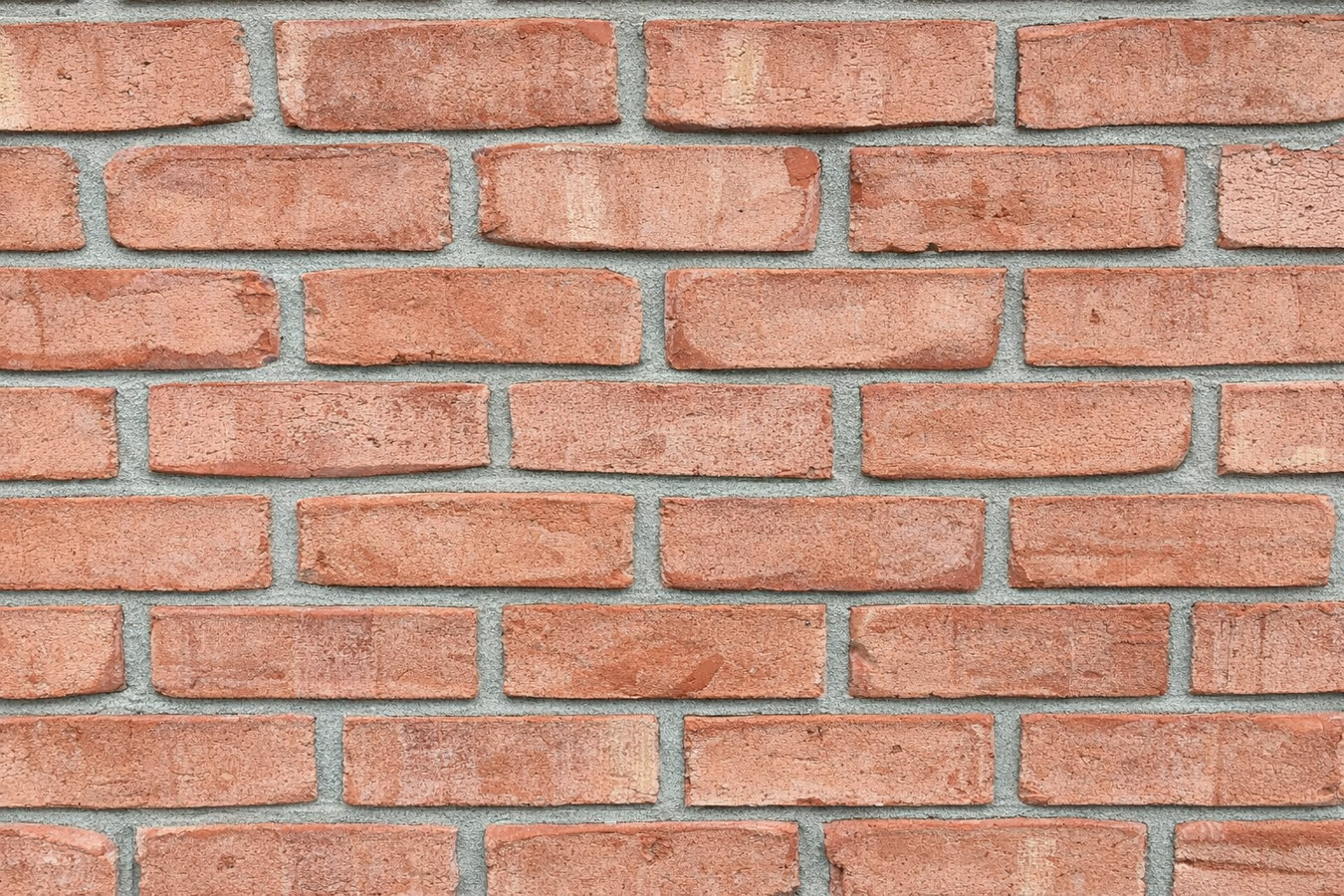
Failing mortar lets water behind your bricks with every storm. We remove the bad material, pack in a matched replacement, and seal your wall before the next freeze-thaw cycle does more damage.
Failing mortar lets water behind your bricks with every storm. We remove the bad material, pack in a matched replacement, and seal your wall before the next freeze-thaw cycle does more damage.
Tuckpointing in Santa Fe means removing deteriorated mortar from the joints between your bricks or stones and replacing it with fresh, matched material - most jobs on a single wall section or chimney are completed in one to two days.
Mortar is designed to be softer than the masonry around it, so it absorbs the stress of temperature swings and settling instead of your bricks. At Santa Fe's 7,000-foot elevation, that stress is intense - hundreds of freeze-thaw cycles every year push water into small cracks and widen them a little more each winter. By the time mortar looks visibly damaged, water has usually been getting in for a while.
Tuckpointing is closely related to brick repair - in many cases we handle both in the same visit, since failing mortar and damaged bricks tend to show up in the same areas.
Run a finger or house key along the lines between your bricks or stones. If material comes out easily and feels soft or sandy, the mortar has broken down. This is the clearest sign tuckpointing is overdue - and something any homeowner can check in five minutes.
White chalky deposits running down your brick or stone wall mean water is already moving through the masonry, carrying dissolved minerals with it. In Santa Fe's freeze-thaw climate, this is a warning that active water infiltration is under way - and it gets worse each winter.
Stand back and look at your wall. If mortar lines look uneven - some deep, some cracked, some missing in spots - the joints have deteriorated unevenly and the wall is no longer sealed. Gaps as small as a hairline let water in, especially during Santa Fe's monsoon season.
Chimneys take the hardest beating of any masonry on your home - exposed on all sides, subject to the biggest temperature swings. If you see gaps near the top of your chimney or find small pieces of mortar in the firebox, the joints need attention before the next heating season.
Our tuckpointing work covers everything from a single section of a garden wall to a full exterior on a two-story home. We start by carefully removing old mortar to the correct depth - about three-quarters of an inch - then pack in fresh material matched to the color and texture of your existing joints. For homes in Santa Fe's historic districts, we use lime-based or custom mixes appropriate to older, softer masonry. We also handle brick pointing on decorative and structural brick surfaces throughout the property.
When mortar deterioration is widespread, it often means some of the bricks themselves have been compromised by water entry. In those cases we address damaged masonry units at the same time, coordinating with our brick repair service so you get one visit, one assessment, and one completed result.
Best suited for homes where mortar has deteriorated across most or all of the wall surface.
Ideal for targeted damage - a chimney, a single wall face, or areas where freeze-thaw cycling has concentrated.
For adobe, territorial brick, or any property where a soft or lime-based original mix needs to be replicated.
Focused on the most weather-exposed masonry on your home, with attention to cap and crown conditions as well.
Santa Fe sits at roughly 7,000 feet in elevation and sees more than 200 frost days per year. Temperatures regularly drop below freezing at night and climb into the 50s during the day in winter - that constant cycling is one of the harshest conditions mortar faces anywhere. Water seeps into small gaps, freezes, expands, and widens those gaps a little more with each cycle. For Santa Fe homeowners, this means mortar may need attention sooner than national averages suggest, and getting ahead of it in spring - after the worst of the freeze-thaw has passed - is almost always the smarter call. Homeowners in Agua Fria and Tesuque know this well - both communities see consistent freeze-thaw damage every season.
Santa Fe also has a significant amount of older housing stock - homes built with adobe, earthen mortar, or lime-based materials that require a different approach than standard cement products. Using a mortar that is too hard on those walls does not just look wrong - it can cause the masonry units themselves to crack as the wall flexes with temperature changes. Properties in the city's historic districts also face design review requirements that affect what materials are allowed. We know the local approval process and work with it, so your repair does not create a compliance problem down the road.
Reach out by phone or the contact form and we will respond within one business day. We will ask a few quick questions - what type of masonry, roughly how much area, and whether your home is in a historic district - before scheduling a free on-site visit.
We walk the property with you, check the depth of deterioration, identify any areas where water has already spread, and note whether a custom mortar mix is needed. You get a written estimate before any work is scheduled - no pressure, no surprises.
The crew carefully removes old mortar to the correct depth, cleans the joints, and packs in fresh material matched to your wall. Most residential jobs take one to two days. Noise from the grinder is the main disruption - the interior of your home is not affected.
When the job is complete, we walk the finished work with you so you can see what was done. We will explain the curing period - typically 24 to 72 hours before the joints should get wet - and what to avoid in the first month to let the mortar reach full strength.
Free estimates. No pressure. We respond within one business day.
(505) 666-0491We test the existing mortar's hardness and color before mixing anything new. Using the wrong product - especially on Santa Fe's older adobe and lime-mortar homes - can cause bricks to crack. Matching the material is the most important thing we do.
A large share of Santa Fe's homes fall under the city's historic preservation guidelines, and exterior masonry repairs in those zones can require review before work begins. We know which addresses trigger that process and handle it for you.
At 7,000 feet, curing mortar correctly requires active management - keeping fresh joints damp so they don't dry too fast in the low-humidity air. We take those steps on every job. The Brick Industry Association notes that correct curing is essential to a repair that reaches its full rated lifespan. Learn more at{' '} gobrick.com.
We have been working on Santa Fe masonry long enough to understand the local building stock - the mix of adobe, territorial brick, and modern construction - and what each one needs. That history means fewer surprises on your job.
Every one of these points matters on its own. Together, they mean you are working with a contractor who understands both the trade and the specific conditions in Santa Fe - not just someone who showed up with a bag of mortar.
More questions? Call us directly or visit the Brick Industry Association and the National Park Service Preservation Briefs for independent guidance on mortar repair and historic masonry.
When water intrusion through failing joints has already damaged the bricks themselves, we handle replacement and matching in the same visit.
Learn MoreFocused joint finishing on decorative and structural brick surfaces where appearance and long-term sealing are both priorities.
Learn MoreCall (505) 666-0491 or submit a request and we will get back to you within one business day with a free, no-pressure estimate.
We provide tuckpointing throughout Santa Fe and the surrounding communities.